
Investment Strategy
A focused approach to commercial real estate investment and management.
Value-add retail investment, grounded in asset-level diligence and active management.
01 / Investment Thesis
Why value-add
retail centers?
Internet Proof Uses
We focus on service oriented uses that tend to fare well against ecommerce.
Re-Leasable Spaces
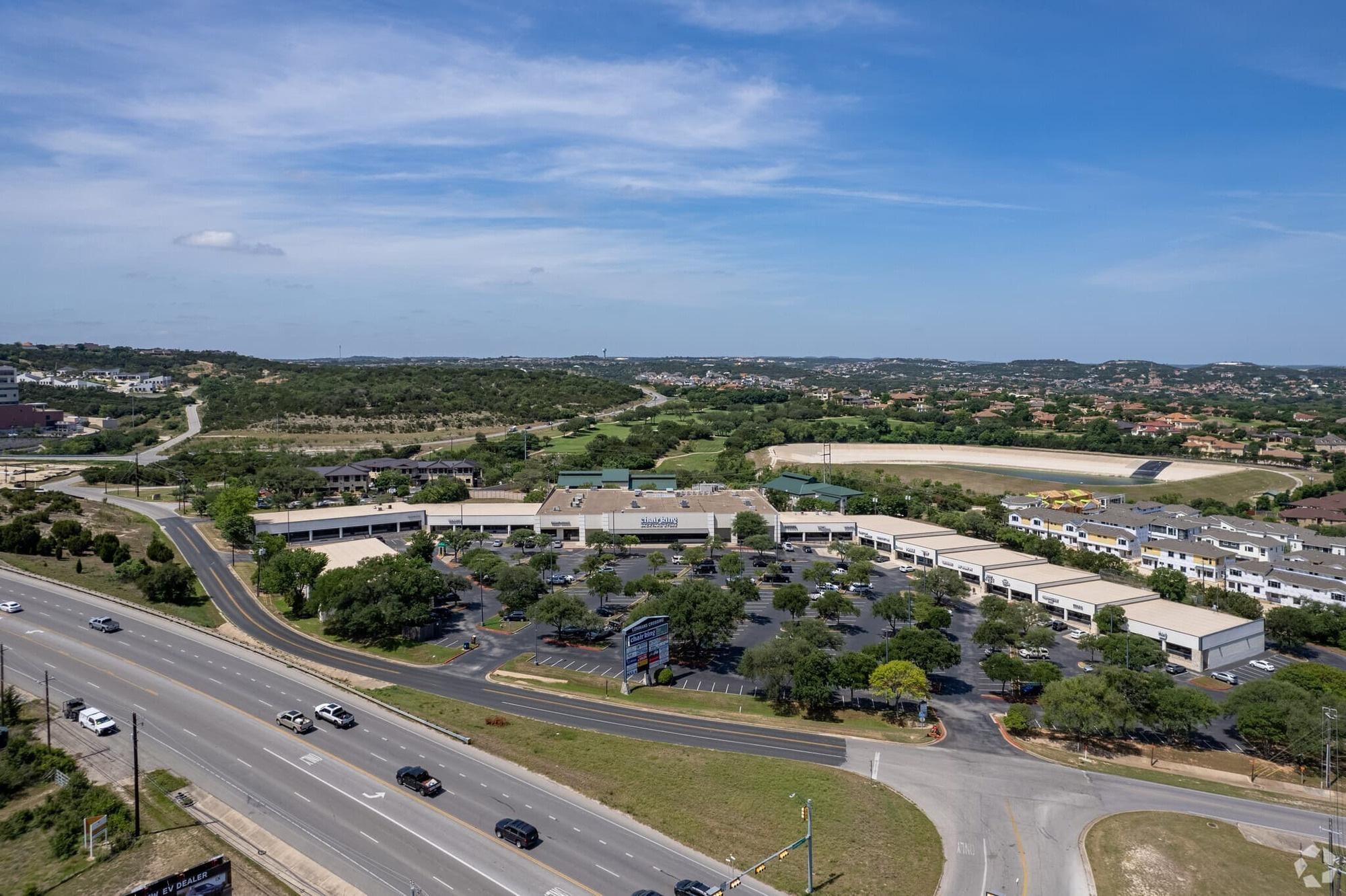
We target retail centers positioned on established commercial corridors with traffic volumes, visibility, access, demographics, and tenant mixes that support sustained tenant demand. Our acquisition underwriting evaluates each asset from the tenant’s perspective, including trade-area fit, customer convenience, co-tenancy, and the competitiveness of available space. We prioritize centers that tenants want to occupy, with a clear basis for leasing and long-term retention.
Pass-Through Expenses
We prioritize triple-net (NNN) lease structures that allocate the majority of property-level operating expenses—including property taxes, insurance, and common area maintenance—to tenants. As occupancy stabilizes, these reimbursements reduce the owner’s exposure to operating cost increases. Our underwriting accounts for lease-specific recovery provisions, expense caps, vacancy-related shortfalls, and capital obligations that remain with ownership.
Clear Path to Upside
We buy assets that deliver a clear path to upside in efforts of delivering our partners outsized returns while mitigating downsize risk. A clear path to upside to us generally looks like a cap ex plan, lease up plan, and or management execution plan.
Credit Tenants
We prioritize creditworthy tenants and operators whose business models we believe can remain resilient through economic downturns. Our review considers financial strength, essential-use demand, operating history, and location-level performance. We generally favor necessity-oriented retailers, such as Dollar Tree, over discretionary entertainment concepts, such as escape rooms. This approach is intended to support durable occupancy and rental income; tenant credit and business resilience are evaluated individually.
02 / Execution
How we create value.
Identifying Inefficiencies
We seek to find inefficiencies in Assets, whether that be gross leases rather than NNN, mismanagement, deferred maintenance, under market rents, vacancy, etc. We often find said inefficiencies are much more prominent in the deal size we play in, rather than the institutional deals where the operators tend to know what they’re doing, generally leaving a lot less “meat on the bone”.
Creative Deal Sourcing
We spend an extensive amount of time fostering relationships with Brokers that are active in our product type, in addition to a direct to seller approach.
Streamlined Scalable Management
We pride ourselves on our ability to tightly manage an asset while creating long term Tenant relationships which ultimately leads to compressed expenses and increased NOI.
Aggressive Leasing Approach
We turn over every rock possible. With each asset, we create a leasing plan. If we are targeting local tenants, we will literally walk into and call every single user in and around the market to see if they’d be interested in opening an additional location(s). When we are targeting regional and national tenants, we use our proprietary system to contact all the potential users. In short, we don’t simply post listings on the marketing mediums and sit back and wait for leads, we create our own interest.
Capital Improvements
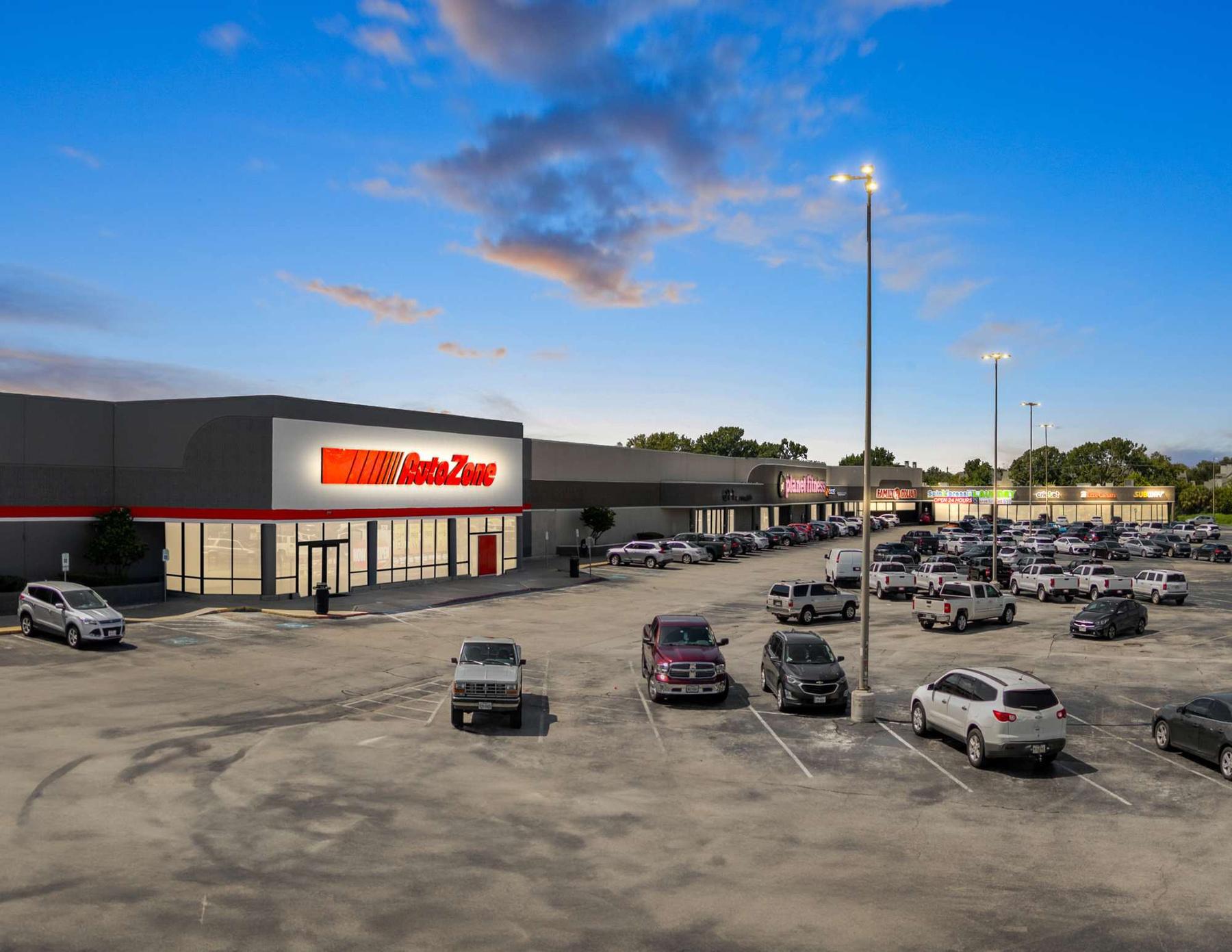
Whether it is for aesthetics or deferred maintenance, we implement capital improvement plans for every asset we acquire. Simple things like exterior paint and parking lot stripe and seals deliver a huge ROI. Managing construction isn’t easy, but in our office we say “ Inspect what you expect” and we ensure the contractors are performing work on time and on budget.
Portfolio Assemblage
Most of our assets are too small for institutional investors, however, as a portfolio they provide the size and scale needed for an institutional level sale or refinance.